
So, you’re looking for the best web design near you. The quickest answer is: there’s no single “best.” It’s all about finding the right fit for your specific needs, budget, and goals. What’s “best” for a sprawling e-commerce site isn’t necessarily “best” for a local bakery’s brochure website. Instead of hunting for a mythical “best,” focus on identifying a web designer or agency that understands your vision and can deliver results.
In today’s digital world, it might seem like location isn’t a big deal. You can work with a designer across the globe, right? While true, there are genuine advantages to looking for web design services in your local area.
Local Knowledge & Culture
A local designer often has a better grasp of the local market, demographics, and even regional aesthetic preferences. They might understand the nuances of local slang, holidays, or community events that could be relevant to your website’s content and marketing. This contextual understanding can be invaluable.
Face-to-Face Meetings (When You Need Them)
Even if most communication happens digitally, there’s something to be said for an in-person meeting. Kick-off discussions, brainstorming sessions, or critical review meetings can sometimes benefit from sitting down across a table. This allows for body language cues, easier whiteboard sketching, and a more personal connection that virtual calls can’t always replicate.
Easier Collaboration & Accountability
When a designer is nearby, it can make collaboration feel more fluid. There’s a natural sense of community and perhaps even a slightly higher degree of accountability. Knowing you might bump into them at a local event can subtly encourage a more dedicated approach.
Supporting Local Economy
Hiring local talent contributes directly to your local economy. It keeps money circulating within your community, which can be a point of pride and good business practice.
If you’re looking to enhance your web design skills or find inspiration for your next project, you might find this article on web design trends particularly useful. It covers the latest techniques and tools that can elevate your website’s aesthetic and functionality. To explore more about web design and how it can impact your business, check out this informative piece here: Web Design Trends.
Defining Your Web Design Needs: Before You Search
Before you even start Googling “web design near me,” take some time to clarify what you actually need. This will save you a lot of time and help you filter out unsuitable candidates quickly.
What’s The Purpose of Your Website?
Is it to sell products online (e-commerce)? To generate leads? To provide information? To showcase a portfolio? The purpose dictates everything from the design aesthetic to the underlying technology.
Who is Your Target Audience?
Are you targeting tech-savvy millennials, local retirees, or a niche B2B market? Their online habits and expectations will influence the design, content, and user experience.
What Features Do You Need?
- Online store/e-commerce functionality?
- Blog?
- Contact forms?
- Booking system?
- Customer login area?
- Photo galleries or video integration?
- Multi-language support?
Make a comprehensive list. Don’t worry if it’s long; it’s better to have too much information than too little at this stage.
Do You Have Existing Branding?
Logos, brand guidelines, color palettes, preferred fonts – having these ready will give a designer a great head start and ensure consistency. If you don’t, that’s okay, but it means you’ll need a designer who can also help with branding development.
What’s Your Budget Range?
Be realistic here. Web design costs vary wildly. A simple, static informational site will cost far less than a custom-built e-commerce platform with complex integrations. Having a rough budget helps narrow down agencies that can work within your financial constraints.
What’s Your Timeline?
Do you need this site up and running in a month, or do you have a more relaxed six-month timeline? Urgent projects often incur higher costs.
Where to Look for Local Web Designers
Once you have a clearer picture of your needs, it’s time to start the search. Don’t just rely on the first page of Google.
Google Maps & Local Search
This is probably where you started. Search terms like “web design [your city],” “web designer [your town],” or “website development services [your neighborhood].” Look at the Google Maps results – these often highlight local businesses with reviews.
Local Business Directories
Websites like Yelp, Yellow Pages, or local chamber of commerce directories can be great resources. They often categorize businesses, making it easier to find web design services.
Referrals & Networking
- Ask other local business owners: Who designed their website? Were they happy with the process and results? A personal recommendation is incredibly valuable.
- Local BNI chapters or networking groups: These are designed for local businesses to refer each other.
- Industry-specific forums: If you’re in a niche industry, there might be local forums where members discuss service providers.
Social Media (Local Groups)
Facebook groups for local businesses or community groups can be excellent places to ask for recommendations. You’ll often get honest opinions and direct links to designers’ portfolios.
Local Colleges & Universities
Sometimes, design departments at local educational institutions offer services or can recommend talented students or recent graduates who might be looking for projects. This can be a more budget-friendly option, though potentially less experienced.
Vetting Your Local Web Design Candidates
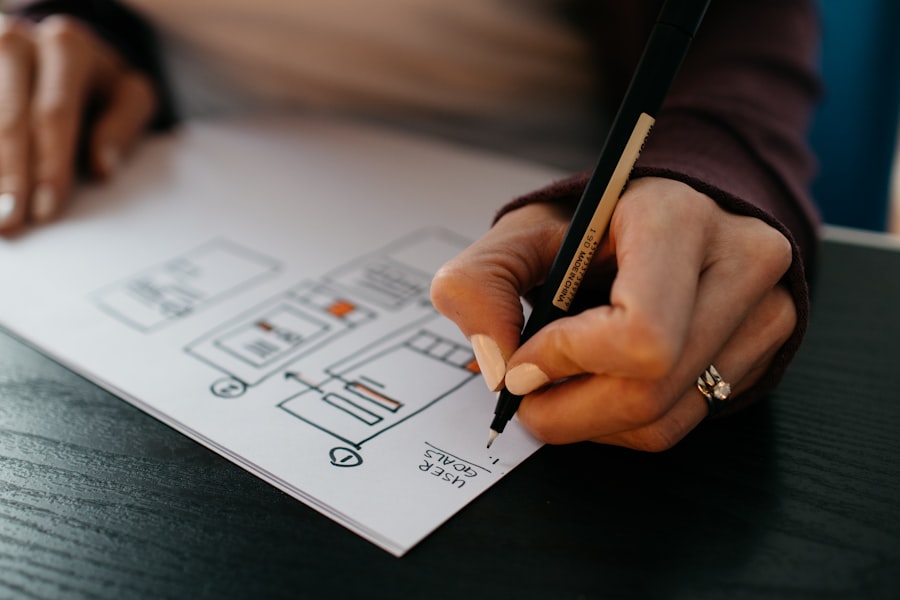
You’ve got a list of potential designers or agencies. Now it’s time to dig deeper to see if they’re a good fit.
Review Their Portfolio
- Look for relevance: Do they have experience with websites similar in scope or industry to yours?
- Assess design quality: Is it modern, clean, and professional? Does it load quickly? Is it visually appealing?
- Check for responsiveness: Do their sites look good and function well on mobile devices (smartphones, tablets)? This is non-negotiable in today’s mobile-first world.
- Examine user experience (UX): Are the sites easy to navigate? Is information clear and well-organized?
Read Reviews & Testimonials
What do past clients say about working with them? Look beyond just a star rating. Are there comments about communication, meeting deadlines, problem-solving, or going the extra mile? Be wary of companies with no reviews or consistently poor ones.
Understand Their Process
A good web designer or agency will have a clear, documented process. Ask them about it:
- How do they start a project?
- What are the design phases?
- How do they handle feedback and revisions?
- What’s their communication style?
- What happens after the site launches (maintenance, support)?
Discuss Their Technical Expertise
- What platforms do they use? (e.g., WordPress, Shopify, custom coding) Ensure it aligns with your needs and long-term goals. If they only work with one platform, ensure it’s the right one for you.
- SEO considerations: Do they build sites with search engine optimization (SEO) best practices in mind from the ground up?
- Security: How do they ensure website security?
- Hosting: Do they offer hosting services, or will you need to arrange that separately?
Consider Communication & Personality Fit
This is often overlooked but extremely important. You’ll be working closely with this person or team. Do you feel comfortable communicating with them? Do they listen to your ideas? Do they explain technical jargon in an understandable way? A good rapport makes the whole process smoother and more enjoyable. Schedule a brief call or coffee meeting to gauge this.
If you’re looking to enhance your web design skills, you might find this insightful article on the importance of firewalls in web development particularly useful. It discusses how robust security measures can protect your online presence while ensuring a seamless user experience. For more information, you can read the article here: importance of firewalls in web development. This resource can help you understand the critical balance between design and security in creating effective websites.
What to Expect from a Good Web Design Partnership
| Location | Number of Web Designers | Average Rating |
|---|---|---|
| Downtown | 15 | 4.5 |
| Midtown | 10 | 4.2 |
| Uptown | 8 | 4.0 |
A successful web design project is a partnership. Here’s what you should expect from a competent local web designer or agency.
Clear Pricing & Contracts
They should provide a detailed proposal outlining the scope of work, deliverables, timeline, and associated costs. A formal contract protects both parties. Be wary of vague estimates or those who demand a large upfront payment without a clear plan.
Regular Communication & Updates
You should be kept in the loop throughout the process. This might be through regular email updates, scheduled calls, or a project management tool.
Professional Project Management
They should have a system for managing the project, tracking tasks, and handling revisions efficiently. This keeps things on schedule and prevents miscommunication.
Post-Launch Support & Maintenance
A website isn’t a “set it and forget it” item. Ask about what happens after the site goes live. Do they offer:
- Training: Will they teach you how to update content, images, or blog posts?
- Maintenance plans: Do they offer ongoing support for security updates, backups, and minor tweaks?
- Troubleshooting: What if something breaks? What’s their response time for emergencies?
Focus on Your Business Goals
Ultimately, their design should serve your business. They should ask questions about your objectives and propose solutions that help you achieve them, not just build a pretty site.
If you’re looking to enhance your website’s user experience, you might find it helpful to explore a related article on web design principles that can elevate your project. This insightful piece discusses various strategies and techniques that can be implemented to create a more engaging and user-friendly interface. For more information, check out this article on web design that offers valuable tips and best practices tailored for modern web development.
Red Flags to Watch Out For
As you’re sifting through candidates, keep an eye out for these warning signs.
Unrealistic Promises
“We’ll get you to the #1 spot on Google in a week!” or “Your website will be done tomorrow!” These are often signs of either inexperience or someone trying to take advantage. Good web design and effective SEO take time.
Lowball Pricing
While tempting, an offer that’s significantly lower than others should make you cautious. It might indicate a lack of experience, cutting corners, or hidden fees later on. Remember the adage: you often get what you pay for.
Poor Communication
If they’re slow to respond during the initial inquiry phase, imagine how slow they’ll be during the actual project. Clear and timely communication is crucial.
No Portfolio or References
A legitimate web designer or agency will have a portfolio of their work and ideally, be able to provide references upon request. If they can’t, it’s a huge red flag.
Pushy Sales Tactics
A good designer will listen to your needs and propose solutions. They won’t pressure you into buying services you don’t need or make you feel uncomfortable.
Lack of a Contract
Never start a significant project without a clear, written contract detailing the scope, deliverables, timeline, and payment terms.
What to Do Before Signing on the Dotted Line
Get Multiple Quotes
Contact at least three different local web designers or agencies. This gives you a good sense of pricing, different approaches, and allows you to compare their proposals side-by-side.
Ask Key Questions
Beyond what we’ve already covered, here are a few more to ask:
- “What do you need from me to keep the project on track?” (Shows they expect client input)
- “How do you handle changes to the initial scope?” (Scope creep is common, know how they manage it)
- “Who will be my primary point of contact?”
- “What are your payment terms?”
Trust Your Gut
After all the research and discussions, if something just doesn’t feel right, it’s okay to walk away. A good working relationship is built on trust and mutual respect.
Finding the “best” web design near you isn’t about finding the flashiest or cheapest. It’s about finding a local partner who genuinely understands your business, can translate your vision into a functional and effective website, and with whom you can build a strong, collaborative relationship. By doing your homework and asking the right questions, you’ll be well on your way to a successful web design project.