
Let’s talk about revamping your website with a leading design company. Simply put, hiring a top-tier design company for your website revamp means you’re investing in expertise for a more effective, modern, and high-performing online presence. It’s about moving beyond DIY fixes or generic templates to a truly strategic and tailored solution that delivers on your business goals.
You might be thinking, “My website works just fine, why rock the boat?” Well, ‘just fine’ often isn’t enough in today’s digital landscape. The internet moves fast, and what was cutting-edge a few years ago can look clunky and outdated very quickly.
Keeping Pace with User Expectations
Users today expect a lot. They want speed, intuitive navigation, beautiful aesthetics, and content that’s relevant and easy to digest, regardless of whether they’re on a desktop, tablet, or phone. If your site isn’t delivering on these fronts, potential customers will bounce faster than you can say “conversion rate.” A leading design company understands these evolving expectations and builds sites that meet and exceed them.
Reflecting Your Evolving Brand
Businesses grow, they pivot, they refine their offerings. Does your current website accurately reflect where your brand is today, or where you want it to be tomorrow? Often, older websites portray an image that no longer aligns with your current brand identity or values. A revamp gives you the perfect opportunity to tell your updated story visually and functionally.
Addressing Performance Issues
Is your site slow? Does it break on certain browsers? Is your bounce rate higher than you’d like? These are all performance issues that directly impact user experience and, consequently, your bottom line. A professional design company can diagnose these problems and implement robust solutions, often involving backend optimizations as much as frontend aesthetics.
For businesses looking to enhance their online presence, understanding the importance of effective website design is crucial. A related article that delves into the key elements of successful web design can be found at TDWAS. This resource provides valuable insights into how a well-designed website can improve user experience and drive conversions, making it an essential read for anyone interested in optimizing their digital strategy.
What a Leading Design Company Brings to the Table
So, what exactly sets a “leading” design company apart from a freelancer or a less experienced agency? It’s not just about flashy designs; it’s about a holistic approach deeply rooted in strategy and measurable results.
Strategic Planning and Discovery
Any worthwhile design project starts long before the first pixel is placed. A leading company will begin with an in-depth discovery phase. This isn’t just a quick chat; it’s a deep dive into your business, your goals, your target audience, existing site analytics, and your competitors. They want to understand your ‘why’ before they even think about the ‘how.’
Defining Your Audience and Goals
Who are you trying to reach, and what do you want them to do when they land on your site? These seem like simple questions, but nailing down precise answers is crucial. A good design company will help you articulate these, turning vague aspirations into concrete, measurable objectives. Do you want more leads? Higher sales? Increased brand awareness? Their strategy will be built around these defined goals.
Competitive Analysis and Market Positioning
Understanding your competitive landscape is vital. A leading firm will research what your competitors are doing well (and not so well), identifying opportunities for you to differentiate yourself. This analysis informs design choices, content strategy, and overall user experience, ensuring your new site stands out effectively.
When considering the importance of a well-designed website, it’s essential to explore various aspects of user experience and functionality. A recent article on cutting-edge IT solutions highlights how innovative web design can significantly enhance a company’s online presence. For more insights on this topic, you can read the article here: cutting-edge IT solutions. By integrating modern design principles and technology, businesses can create a more engaging and effective platform for their customers.
Expertise Beyond Aesthetics
While design is in the name, a leading company offers much more than just pretty pictures. They bring a multi-disciplinary team to the table.
User Experience (UX) and User Interface (UI) Design
This is where the magic happens for your visitors. UX focuses on making your website easy, intuitive, and enjoyable to use. UI is about the visual elements and interactivity. A leading company has dedicated UX/UI specialists who spend their days perfecting these aspects, ensuring your site is not just beautiful but also highly functional and conversion-focused. They consider things like information architecture, user flows, and interaction design.
Technical Proficiency and Development
A stunning design is useless without solid development behind it. Leading companies employ skilled developers who can translate designs into robust, secure, and scalable websites. They understand modern coding standards, performance optimization, and integration with essential third-party tools (CRMs, payment gateways, etc.). They focus on clean code, responsive design for all devices, and ensuring your site runs smoothly.
SEO and Content Strategy Integration
Your beautiful new site needs to be found. A leading design company will integrate SEO best practices from the ground up, not as an afterthought. This includes technical SEO (site speed, mobile-friendliness, schema markup) and advising on content strategy that ranks. They understand that design, content, and SEO are intrinsically linked for online success.
The Revamp Process: What to Expect
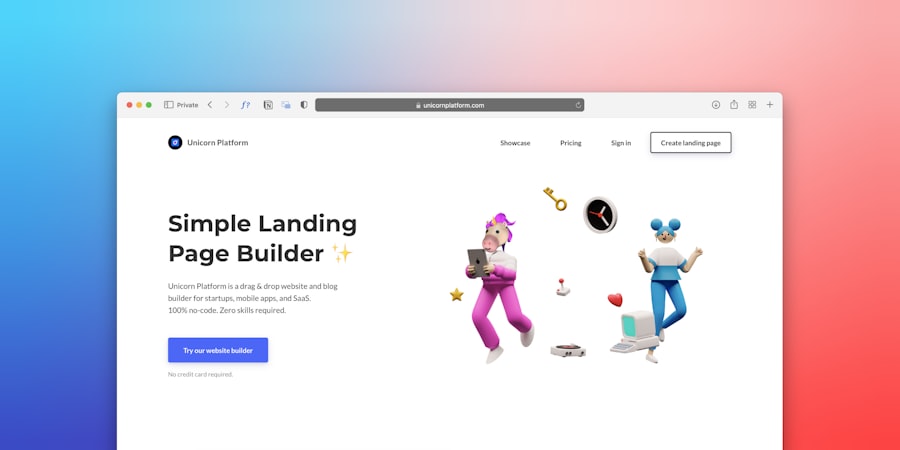
Hiring a leading design company isn’t like buying an off-the-shelf product. It’s a collaborative process, often iterative, designed to produce the best possible outcome for your business.
Discovery and Research Phase
As mentioned, this is the deep dive. Expect questionnaires, interviews, and analytics reviews. This phase aims to get everyone on the same page regarding goals, scope, and vision. It’s crucial for laying a strong foundation.
Information Architecture and Wireframing
Before any visual design begins, the structural blueprint of your site is created. Information architecture (IA) defines how your content is organized and navigated. Wireframes are like skeletal outlines of each page, showing the placement of key elements without any styling. This phase ensures the site flow makes sense and meets user needs before committing to visual design.
User Flows and Site Maps
Understanding how users will move through your site is paramount. User flows map out typical user journeys, while site maps provide an overview of all pages and their hierarchical structure. These tools help identify potential bottlenecks and ensure intuitive navigation.
Visual Design and Prototyping
This is where your brand comes to life visually. Designers create mockups and prototypes, showcasing the look and feel of your new site. This typically involves several rounds of review and feedback to ensure the design aligns with your brand identity and business goals.
Branding Consistency and Aesthetics
A leading company will ensure your website design is perfectly aligned with your broader brand identity – your logo, colors, fonts, and tone. They focus on creating a cohesive and appealing aesthetic that resonates with your target audience and conveys your brand’s personality.
Interactive Prototypes for Feedback
Instead of static images, you’ll often get interactive prototypes. These allow you to click through the site before it’s built, giving you a much better feel for the user experience and allowing for more informed feedback.
Development and Implementation
Once designs are approved, the development team gets to work. This is where the designs are coded into a functional website. Expect regular updates on progress and potentially early access to staging environments for testing.
Robust CMS and Backend Setup
They’ll likely implement a powerful Content Management System (CMS) like WordPress (highly customized), Drupal, or a headless CMS, making it easy for you to manage your content post-launch. The backend will be built for performance, security, and scalability.
Thorough Testing and Quality Assurance
Before launch, the site undergoes rigorous testing. This includes functionality testing, cross-browser compatibility, mobile responsiveness, performance testing, and security audits. Any bugs or issues are identified and resolved.
Launch and Post-Launch Support
The big day! Your new site goes live. But the relationship doesn’t end there. A leading company will often provide post-launch support, monitoring performance, fixing any immediate issues, and offering ongoing maintenance or optimization plans.
Training and Documentation
They won’t just dump a new site on you. Expect training sessions on how to use your new CMS, best practices for content updates, and clear documentation. This empowers you to manage your site effectively moving forward.
Ongoing Optimization and Analytics
The launch isn’t the finish line; it’s the starting line for continuous improvement. Leading companies often offer services to monitor analytics, identify areas for further optimization, and adapt the site based on real-world user behavior.
Choosing the Right Leading Design Company

This isn’t a decision to take lightly. The right partner can transform your business; the wrong one can be a costly headache.
Portfolio and Case Studies
Look beyond pretty pictures. Dig into case studies. What challenges did they face? How did they approach them? What measurable results did they achieve for their clients? This shows their strategic thinking, not just their artistic capabilities.
Industry Relevance
Do they have experience in your industry or with businesses of a similar size? While not always a deal-breaker, industry-specific knowledge can often lead to a quicker understanding of your needs and challenges.
Team and Process Transparency
Understand who will be working on your project and what their process involves. A leading company will be transparent about their team structure, communication protocols, and project milestones. You should feel confident about who you’re working with and how the project will unfold.
Communication Style
This is huge. How do they communicate? Are they responsive? Do they speak in jargon or plain English? You need a partner who can clearly explain complex concepts and listen to your input effectively.
Client Testimonials and Reputation
What do their past clients say? Look for testimonials that highlight not just the end product, but the experience of working with the company – their professionalism, problem-solving skills, and support. Online reviews and industry recognition can also be good indicators.
Pricing and Value Proposition
A leading design company won’t be cheap, but they should offer clear value for their price. Understand what’s included in their proposals, how they handle revisions, and what their payment structure looks like. Focus on return on investment (ROI) rather than just the lowest bid.
Long-Term Partnership Potential
Are you looking for a one-off project or a long-term partner? Many leading companies prefer to build ongoing relationships, offering maintenance, updates, and future strategic advice, which can be incredibly valuable.
Revamping your website with a leading design company is a significant investment, but it’s an investment in the future of your business. It’s about moving from a functional but perhaps underwhelming online presence to a powerful, strategic asset that drives growth, reflects your brand, and delights your customers. By choosing the right partner and understanding the process, you can ensure your revamp leads to a truly transformative outcome.