
Trying to find a website designer nearby can feel like a bit of a needle-in-a-haystack situation, right? Especially when you’re wading through a sea of online portfolios and SEO jargon. The quickest answer is this: focus your search on your immediate area using common search terms, leverage your network, and then dive into a more detailed vetting process to find someone who genuinely fits your needs. It’s less about finding anyone and more about finding the right someone.
While the internet makes it possible to work with anyone anywhere, there are definite perks to finding a website designer who’s physically close by.
The Power of Local Connection
Meeting face-to-face, even just for an initial chat, can make a huge difference. You get a better feel for their personality and communication style, which is crucial for a successful project. It’s easier to build rapport when you’re sharing a coffee instead of just pixelated faces on a screen.
Understanding Your Local Market
A local designer might have a better grasp of your target audience and the prevalent trends or competitor websites in your specific area. They understand the local lingo and what resonates with people in your community, which can be a real advantage in crafting effective messaging and visuals.
Easier Logistics for Certain Projects
If your website project involves physical services, local photography, or integrating with brick-and-mortar operations, having a local designer simplifies many logistical hurdles. Think product photography or on-site consultations; it’s just plain easier.
Supporting Local Businesses
Let’s be honest, it feels good to support local talent and contribute to your community’s economy. Plus, local businesses often rely heavily on word-of-mouth, meaning they’re generally more invested in client satisfaction.
If you’re looking for a website designer near you, it’s essential to understand the various services they offer and how they can enhance your online presence. For more insights on selecting the right designer and the benefits of professional web design, check out this informative article on the topic. You can read it here: Website Designer Near Me.
Starting Your Search: Where to Look First
Okay, so you’re convinced local might be the way to go. Now, where do you actually begin looking?
Google is Your Friend (with Specificity)
Don’t just type “website designer” into Google. Be much more specific.
Geo-Specific Searches
Try variations like “website designer [your city/town],” “web design agency [your neighborhood],” or “freelance web designer near me.” The more precise you are, the better your initial results will be.
Industry-Specific Searches
If you’re in a niche industry, add that to your search. For example, “website designer for real estate [your city]” or “e-commerce web design [your town].” This narrows down designers who might already have experience with your specific needs.
Tap into Your Network
Don’t underestimate the power of asking around. Personal recommendations are often the most reliable.
Ask Fellow Business Owners
Reach out to other local business owners you know and trust. They’ve likely been through this process before and can offer insights, good or bad, about designers they’ve worked with.
Professional Organizations
If you’re part of any local business groups, chambers of commerce, or professional associations, inquire there. Many of these organizations have member directories or forums where you can ask for recommendations.
Online Directories and Marketplaces
While some of these are broader, you can often filter by location.
Yelp and Google My Business
These platforms are surprisingly useful. You can often see reviews, portfolios, and contact information for local web designers and agencies. Pay attention to the overall rating and read through a variety of reviews.
Clutch.co or UpCity (for agencies)
If you’re leaning towards an agency, these platforms focus on B2B services and allow filtering by location and service. They offer more in-depth reviews and client testimonials than general review sites.
Vetting Candidates: Beyond Just a Pretty Portfolio
Once you’ve got a list of potential designers, it’s time to dig deeper. A beautiful website doesn’t necessarily mean a good working relationship.
Reviewing Their Portfolio
This is your first real glimpse into their capabilities and aesthetic.
Quality and Relevance
Look for designs that are not only visually appealing but also functional and user-friendly. Does their style align with your brand vision? Do they have examples of websites in your industry or for similar business types?
Responsiveness
Ensure all their showcased websites are responsive, meaning they look good and function well on all devices (desktops, tablets, phones). This is non-negotiable in today’s digital landscape.
Case Studies
Do they offer case studies? These can give you insights into their process, the challenges they faced, and the results they achieved for previous clients. It shows they think beyond just the design.
Checking for Testimonials and Reviews
What do their past clients say about working with them?
Independent Review Sites
Don’t just rely on testimonials on their own website (which they curate, naturally). Check third-party sites like Google Reviews, Yelp, or relevant industry-specific platforms for unbiased feedback.
Common Themes
Look for recurring themes in reviews, both positive and negative. Do clients consistently praise their communication, timeliness, and problem-solving? Or do you see complaints about missed deadlines or poor support?
Understanding Their Process
A good designer has a clear, structured approach to projects.
Discovery Phase
How do they learn about your business, your goals, and your target audience? A thorough discovery phase is crucial for building a website that truly meets your needs.
Design and Development Stages
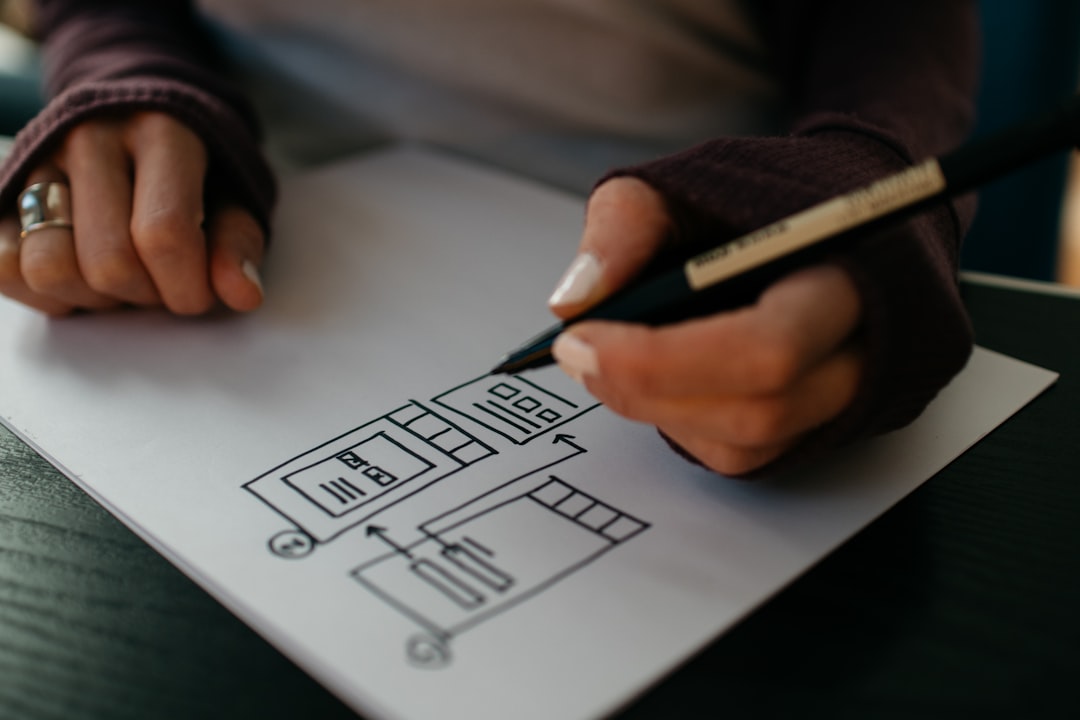
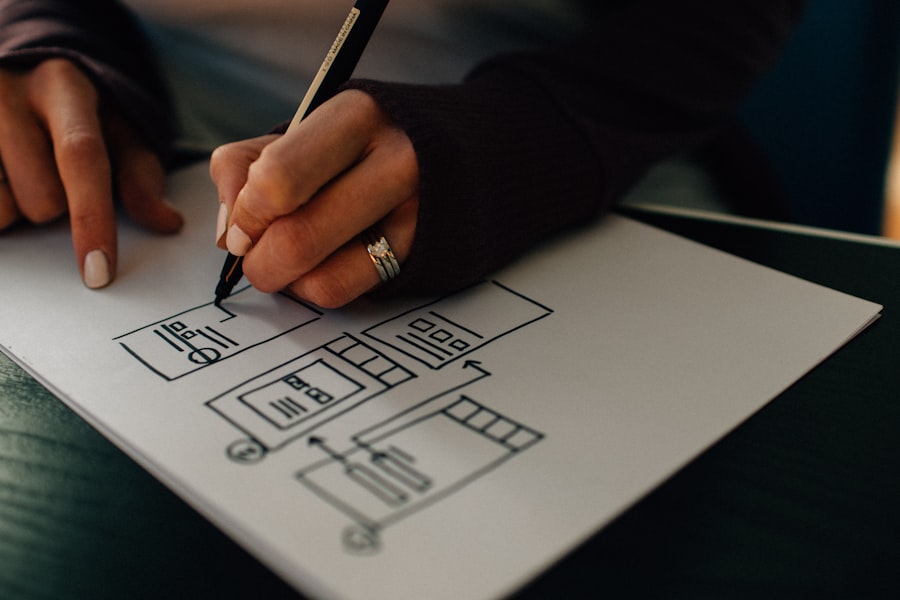
Will they provide wireframes or mockups for approval? What’s their revision process? How do they handle content creation or integration? A clear roadmap minimizes surprises.
Launch and Post-Launch Support
What happens after the website goes live? Do they offer training, maintenance packages, or ongoing support? A website isn’t a “set it and forget it” tool.
Key Questions to Ask Potential Designers
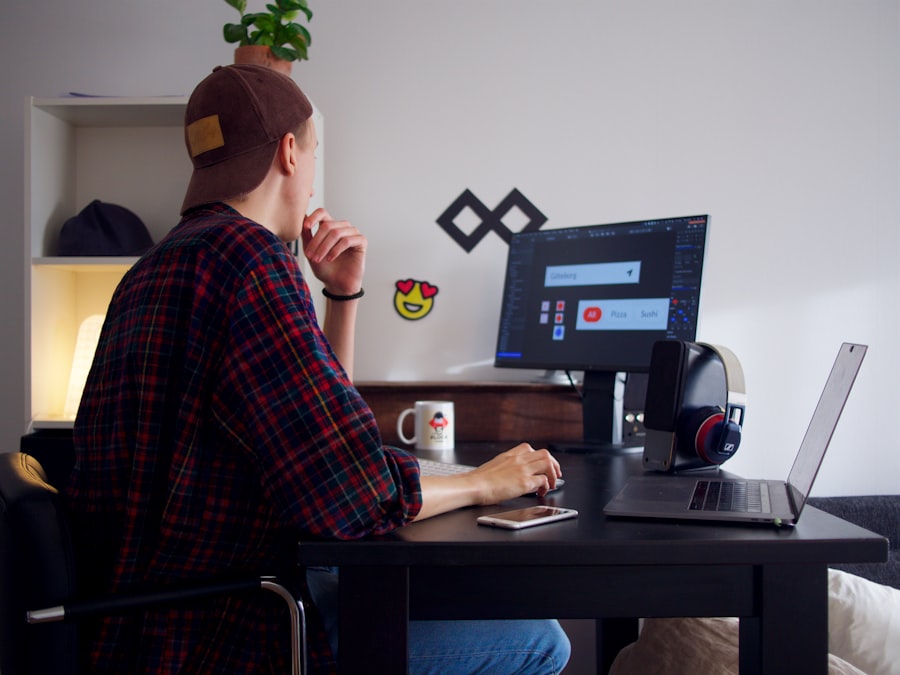
When you’ve narrowed it down to a few top contenders, it’s time for a conversation. These questions will help you gauge their expertise and suitability.
Experience and Specialization
Don’t be afraid to ask about their background.
“What’s your experience with [my industry]?”
Even if their portfolio doesn’t show a direct match, they might have transferable skills or experience with similar project types. If they have no experience, probe into how they’d approach learning about your specific industry.
“Have you worked with businesses of my size before?”
A designer accustomed to large corporate projects might not be the best fit for a small business, and vice-versa. Scale matters.
“What platforms/technologies do you specialize in?”
Do they work primarily with WordPress, Shopify, Squarespace, Webflow, or custom coding? Ensure their chosen platform aligns with your needs for scalability, ease of use, and budget.
Project Management and Communication
Clear communication is paramount for a smooth project.
“What’s your typical project timeline?”
Get a realistic expectation. Be wary of designers promising impossibly fast turnarounds; quality often takes time.
“How do you prefer to communicate throughout the project?”
Email, phone, video calls, project management software? Agree on a communication method that works for both of you.
“How many revisions are included in the quote?”
This is a common point of contention. Clarify how many rounds of revisions are part of the initial agreement to avoid unexpected extra costs.
Pricing and Contracts
Get everything in writing!
“Can you provide a detailed breakdown of your fees?”
A good proposal will itemize services, costs, and deliverables. Beware of vague or overly simple quotes.
“What are your payment terms?”
Will there be an upfront deposit? Milestone payments? Final payment upon completion? Understand the financial structure.
“What does your contract cover?”
Ensure the contract clearly outlines scope of work, deliverables, timelines, payment schedule, ownership of assets, and what happens if something goes wrong.
If you’re searching for a website designer near you, it’s essential to consider the latest trends in web design to ensure your site stands out. A great resource for understanding these trends can be found in this insightful article on web design strategies. By exploring the recommendations and tips provided, you can make informed decisions that will enhance your online presence and attract more visitors to your site.
Red Flags to Watch Out For
| Location | Number of Website Designers | Average Rating |
|---|---|---|
| Downtown | 15 | 4.5 |
| Midtown | 10 | 4.2 |
| Uptown | 8 | 4.0 |
Not every designer is created equal, and some warning signs should make you pump the brakes.
Unbelievably Low Prices
If a quote seems too good to be true, it probably is. Very low prices often indicate a lack of experience, cutting corners, or a “bait and switch” where essential features become costly add-ons. Quality web design is an investment.
No Portfolio or Vague Examples
A designer without a solid, verifiable portfolio or with only generic, template-based examples is a huge red flag. How can you gauge their capabilities if you can’t see their past work?
Poor Communication Early On
If they’re slow to respond to your initial inquiries, don’t answer questions clearly, or seem disorganized during the initial phase, imagine how frustrating it will be once the project is underway. This is a preview of what’s to come.
Pushy Sales Tactics
A good designer educates and consults; they don’t pressure you. If they’re trying to rush you into a decision or upsell you aggressively on things you don’t need, take a step back.
Lack of Transparency
If they’re evasive about their process, don’t explain their pricing clearly, or avoid putting things in writing, consider that a deal-breaker. Trust and transparency are foundational to any good working relationship.
Making Your Final Decision
You’ve done the research, asked the right questions, and now it’s time to choose.
Trust Your Gut
Beyond all the practical considerations, how do you feel about working with this person or team? Do they seem genuinely interested in your success? Do you feel like you can communicate openly with them? A good working relationship often comes down to chemistry.
Consider Long-Term Support
Think beyond just the launch. Will this designer be a reliable partner for future updates, maintenance, or potential scaling of your website? A long-term relationship with a good designer can be incredibly beneficial for your business’s online presence.
Get Everything in Writing
Before any work starts, ensure you have a clear, comprehensive contract outlining all deliverables, timelines, costs, and terms. This protects both you and the designer and sets clear expectations for the project.
Finding a website designer near you, or even just the right one, takes a bit of effort. But by being systematic in your search, thorough in your vetting, and clear in your communication, you’ll be well on your way to a fantastic new website that truly serves your business goals.